
Tagged: Cincinnati Reds
Baseball as Civic Life
This winter has been pretty brutal, and I find myself with that familiar longing for Opening Day. I’m ready to hear the sound of a bat cracking instead of the scrape of a snow shovel carving narrow paths.
In my last post (yes, it’s been embarrassingly too long), I mentioned I was reading L.M. Sutter’s book, Ball, Bat and Bitumen: A History of Coalfield Baseball in the Appalachian South.
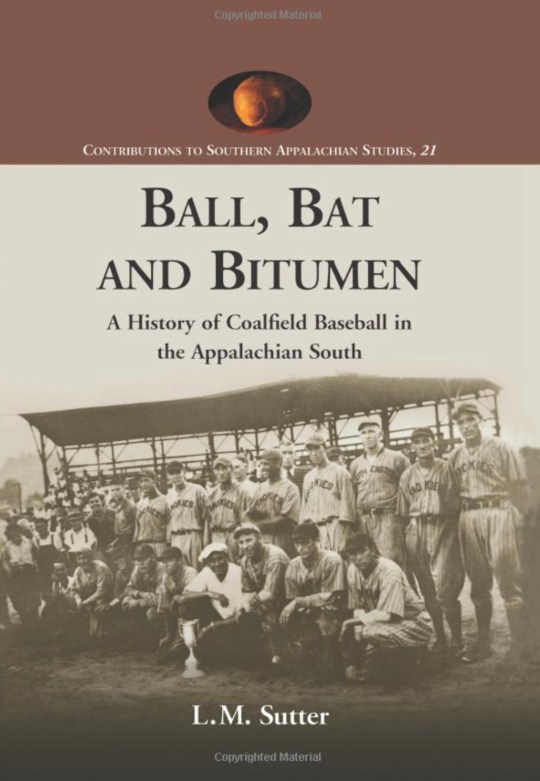
I picked it up because I wanted to better understand Stubby’s world as a young man. As I’ve spent more time digging into my family history (with roots that run deep in the coalfields), I’ve come to realize how important baseball was in creating a shared civic life. It wasn’t just a game. It was a gathering place, a language, a point of pride.
In her book, Lynn writes about how baseball parks were often built on the only flat ground available in coal towns. In places where people lived on steep hillsides and every usable acre mattered, carving out a diamond was a deliberate choice. What a town chose to make space for said a lot about what it believed mattered.
That idea unlocked something for me about Stubby.
According to The Dad, Stubby wrote about sports because he believed deeply in civic pride. He understood that baseball didn’t just entertain. It gave towns a shared story to rally around. And Stubby knew that covering sports was a way of saying this place matters—and the people who live here matter.
If you’ve been around this blog for a while, you already know I’m a Cincinnati Reds fan. Opening Day here isn’t just a game; it’s a civic holiday, full of ritual and promise, and the hope of summer just ahead.
And that connection isn’t accidental.
As Lynn writes, “A lingering Appalachian loyalty to the Cincinnati Reds stems from the frequency of that team’s visits to the coalfields and the intrepid spirit that carried the players into some of the most distant hollows.” One of the reasons The Dad says he moved to Cincinnati was because Stubby took him to Reds games when he was a kid.
It is all intertwined.
The small community baseball teams that Lynn documents, like the Dante Bearcats, Raleigh Clippers, Norton Braves, Hazard Bombers, Knoxville Smokies, St. Charles Miners, Derby Daredevils, Appalachia Railroaders, Middlesboro Blue Sox and McDowell County All-Stars, are gone now. What remains are the stories of what those teams once gave their towns.
As Lynn writes, “Television was a juggernaut that would reduce the minor leagues to mere nurseries for the majors, no longer legitimate sports options in and of themselves.” Before television, baseball had to be seen in person, and your local team was the game. Once fans could watch major league teams from their living rooms, the emotional center of the sport shifted away from hometown diamonds.
For places built around those diamonds, and for writers like Stubby who understood what they meant, what was lost was much more than just baseball.
~Melissa
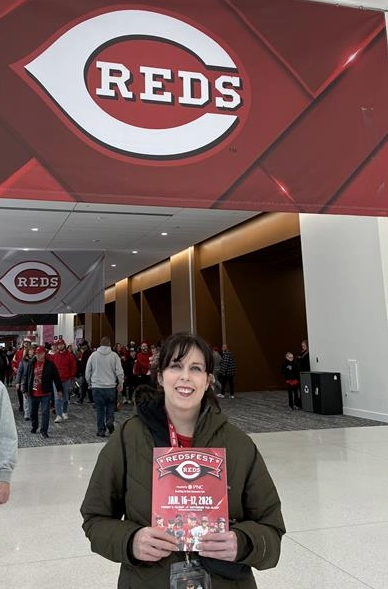
Baseball Season is Back
Well, folks. It’s been a minute since we’ve posted here.
Lucky for you, I’ve missed digging into the Stubby archives for some good stories to share. And I have been craving baseball lately.

During spring training season, I’ve been getting my baseball fix by reading Ball, Bat and Bitumen: A History of Coalfield Baseball in the Appalachian South by L.M. Sutter and researching some new posts to share here. This is a great book for anyone interested the culture of baseball in Southern West Virginia during Stubby’s time.
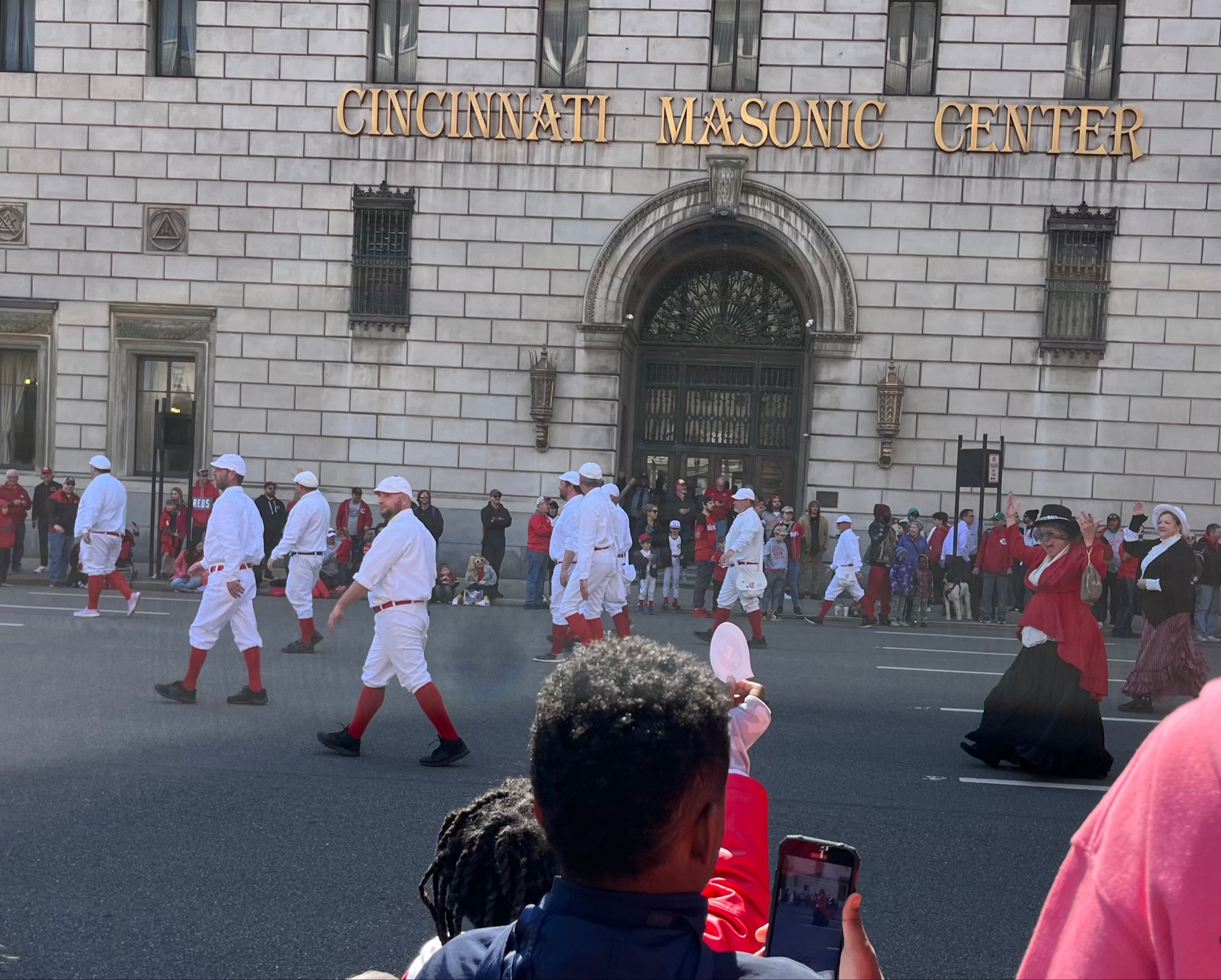
As for me, I’m grateful to live in Cincinnati and to be able to get in some Opening Day fun. The city embraces its baseball roots of being the first city with a professional baseball team with an Opening Day parade. Yesterday was Cincinnati’s 140’s annual Opening Day Parade with 150,000 spectators.
It finally feels like spring.
Have you read L.M. Sutter’s book? Let me know in the comments.
 The Stubby Currence Project